7 Holiday Eating Tips That Actually Work (No Deprivation Needed)
Last December, I stood in my cousin's kitchen, holding a plate of cookies that my aunt had pressed into my hands. The guilt was already creeping in before I even took a bite. But then I remembered something a dietitian once told me: holiday eating isn't a moral test. It's a practice of choosing what truly matters to you. That shift—from seeing holiday meals as a willpower battle to a conscious choice—changed everything. Instead of white-knuckling through parties, I started asking: What do I actually want to taste? What will make me feel good afterward? That mindset is the foundation for all seven tips here. They're not about restriction; they're about enjoying the holidays on your own terms, without the post-meal regret.
Tip 1: Start With Your Plate, Not the Buffet
Buffets are the ultimate trap—all those dishes lined up, whispering try me. But here's a trick that works every time: walk the entire buffet first before putting anything on your plate. I learned this the hard way after piling a mountain of mashed potatoes, only to discover roasted Brussels sprouts and salmon at the far end. By scouting first, you can map out what genuinely calls to you. Then, use the plate method from the USDA MyPlate guidelines: fill half your plate with veggies and fruit, a quarter with lean protein (like turkey or fish), and a quarter with starches or grains. This isn't about restriction—it's about making space for what you love. You can still grab a roll or a slice of pie later, but starting with a balanced plate helps your body feel satisfied sooner.
Tip 2: The 10-Minute Rule for Second Helpings
I used to be a second-helping machine at holiday dinners. The food was right there, and it felt rude not to take more. Then I tried a simple pause: wait 10 minutes after finishing your first plate before deciding on seconds. Set a timer or chat with a relative. During that break, your stomach sends fullness signals to your brain. More often than not, I realized I didn't need more food—I just wanted the social ritual of eating. This rule isn't about denying yourself; it's about giving your body time to catch up. If you're still hungry after the 10 minutes, go ahead and get seconds. But you'll likely find that half the time, you're fine with just one plate.
Tip 3: Choose Your Splurges Like a Connoisseur
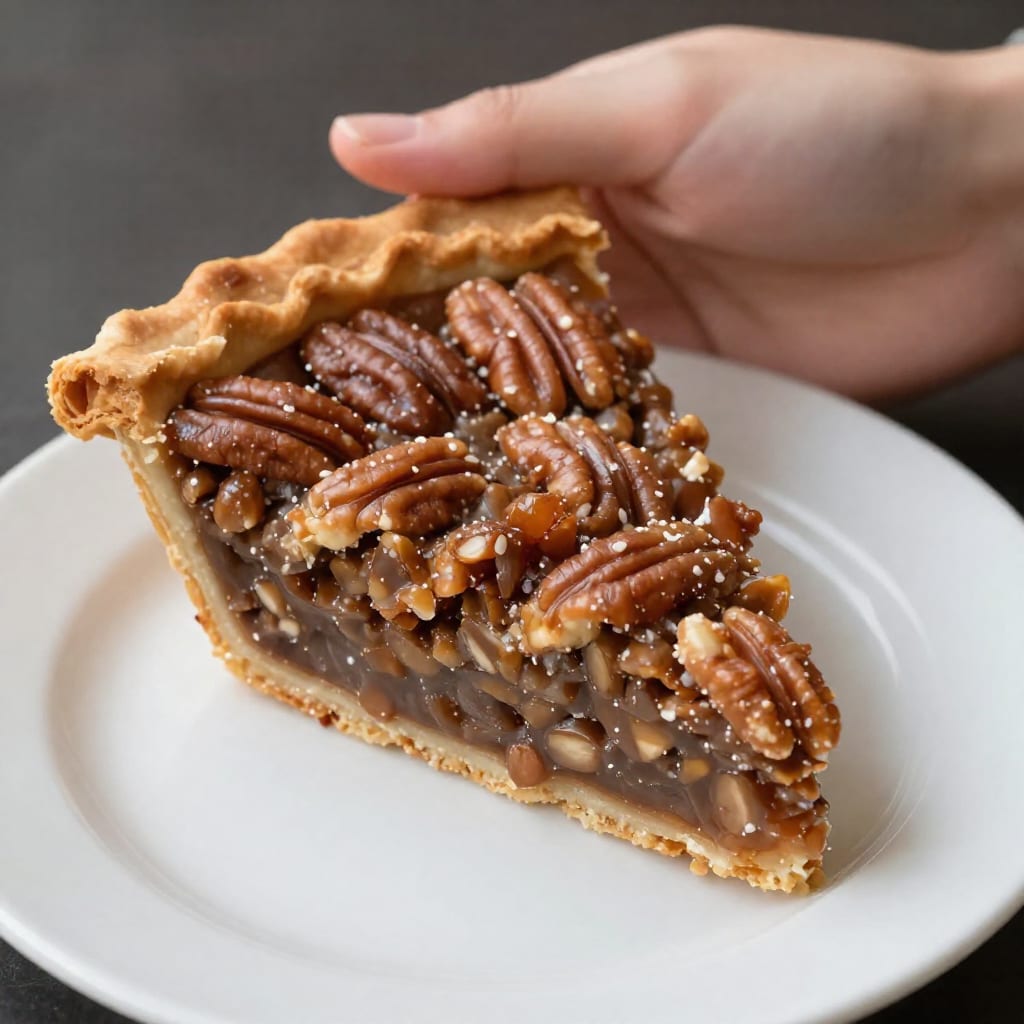
Here's a counter-intuitive insight: not all holiday treats are created equal, and you don't have to eat them all. I once went to a party where the dessert table had eight options. Instead of grabbing one of each, I paused and asked: Which one would I walk across town for? That was the homemade pecan pie my grandma always makes. I took a slice, savored every bite, and skipped the grocery-store sugar cookies. This intentional indulgence strategy lets you enjoy the best without the bloat. Focus on the foods that are truly special to you—your aunt's famous stuffing, that bakery's Christmas stollen—and let the mediocre stuff pass by. No guilt, no FOMO.
Tip 4: Keep the Veggies on Your Side (Literally)
At nearly every holiday meal, there's a veggie dish—green beans, roasted carrots, a salad. My trick is to put a generous serving of vegetables on my plate first, right next to the main dish. This isn't about punishment; it's about adding volume and nutrients without extra calories. The fiber and water in veggies help you feel full and steady your blood sugar, which means you're less likely to crash and crave more sugar later. I always aim for at least two different colors on my plate. Even if the rest of the meal is rich and indulgent, those veggies act like a built-in balance. Plus, they're delicious when roasted with olive oil and herbs—so it's not a chore.
Tip 5: Drink Smart—Your Secret Weapon
Alcohol and sugary drinks are the stealth calories of the holidays. I'm not saying skip the eggnog—just alternate every alcoholic drink with a glass of water. I started this after a New Year's Eve where I had three glasses of champagne on an empty stomach and woke up feeling awful. Now, I keep a water bottle handy and sip between cocktails. This simple swap keeps you hydrated, helps you pace your alcohol intake, and prevents the munchies that come after a few drinks. For non-alcoholic options, plain sparkling water with a splash of cranberry or a slice of orange feels festive without the sugar spike. Your appetite will thank you the next morning.
Tip 6: The 'One Bite, No Apologies' Rule for Desserts
Dessert anxiety is real. I used to either skip it entirely (and feel deprived) or eat three slices of cake (and feel sick). The middle ground is the one-bite rule: take one small, mindful bite of any dessert you're curious about. No apologies, no justification. If it's amazing, you can have another bite. If it's just okay, you've satisfied the curiosity without the guilt. This approach gives you permission to enjoy without overdoing it. At a recent holiday dinner, I tried a bite of a friend's homemade gingerbread—it was good, but not mind-blowing. I stopped there and moved on. The key is presence, not portion size.
Tip 7: Move Your Body, Not to Burn It Off
Exercise during the holidays often turns into punishment—I ate too much, now I need to run it off. That's a recipe for burnout. Instead, choose movement that feels good. A 20-minute walk after a big meal aids digestion and clears your head. I've started suggesting family post-dinner walks instead of collapsing on the couch. In my own experience, a gentle yoga stretch or a dance session to holiday music does more for my mood than any treadmill sprint. Movement during the holidays should be about joy and connection, not calorie burning. It helps regulate appetite and stress without the resentment.

Putting It All Together: Your Holiday Eating Game Plan
Here's a simple daily routine based on these seven tips:
- Before any meal: Scan the buffet, use the plate method (half veggies, quarter protein, quarter starch).
- During the meal: Eat slowly, pause 10 minutes before seconds, and take one mindful bite of desserts.
- After the meal: Go for a walk or stretch—no guilt, just movement.
- Throughout the day: Alternate water with any alcoholic drinks.
This isn't a rigid plan; it's a flexible framework you can adapt to any gathering. The goal isn't perfection—it's enjoying the holidays without the post-meal regret. If you have one meal where you overeat, just return to your normal pattern the next day. No restriction, no punishment. The holidays are about people, memories, and food—in that order.
Practical Takeaway: Print this list and stick it on your fridge: scout the buffet, start with veggies, pause before seconds, choose one special treat, drink water between drinks, take one bite of dessert, and move for joy. Share it with a friend who needs it. And remember: one meal doesn't define your health. The holidays are too short to spend them fighting with your plate.